Saving on groceries starts before you reach the store. A quick look in the kitchen and a short shopping list can help you buy what you need and use what you buy.
Shop your kitchen first
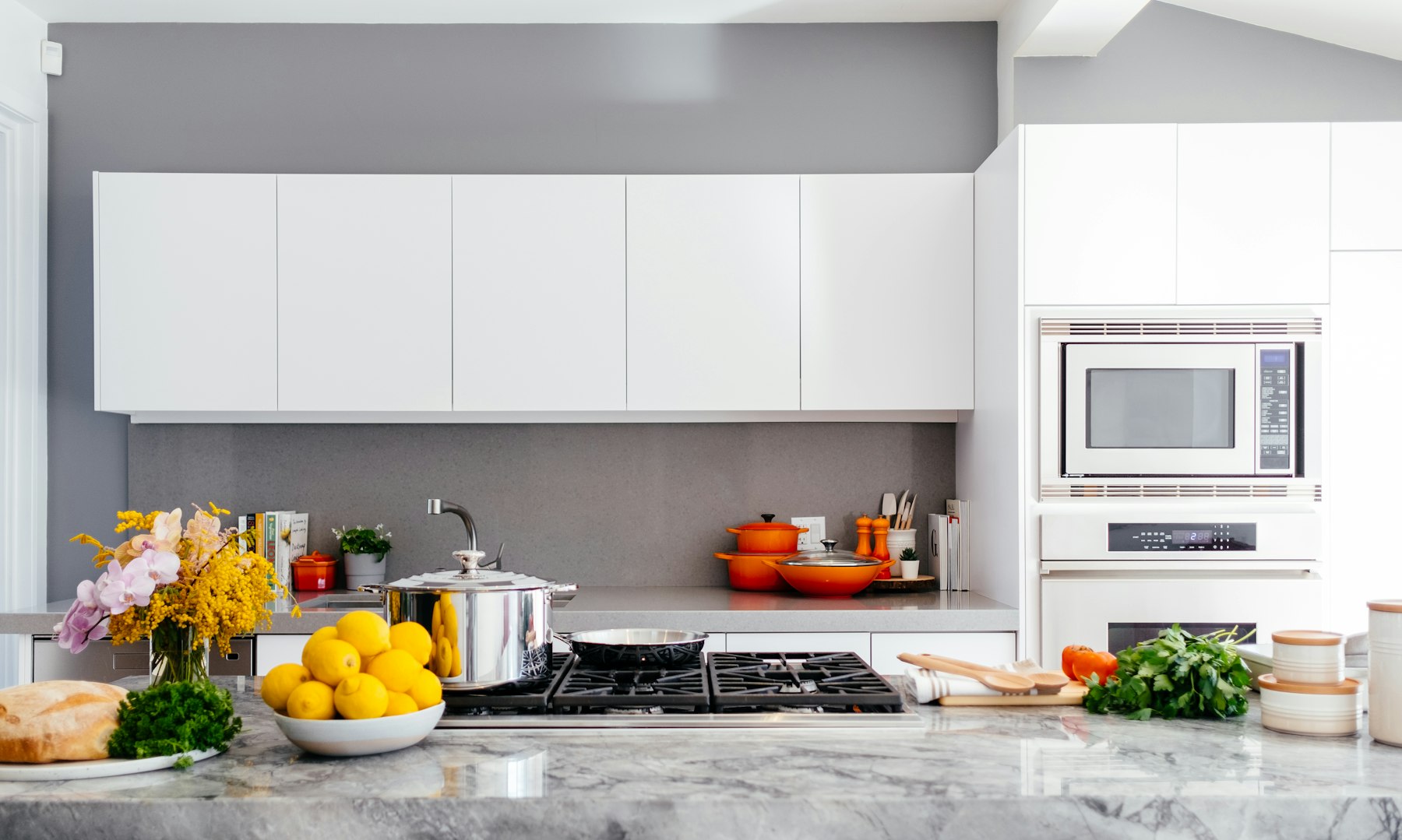
Check your fridge, freezer, and pantry. Build a few meals around food you already have, especially anything that needs using soon. Leave room in the plan for leftovers.
Write your list from those meals. A deal is only useful if the food gets eaten, so skip the extra items that do not fit your week.
Compare the unit price
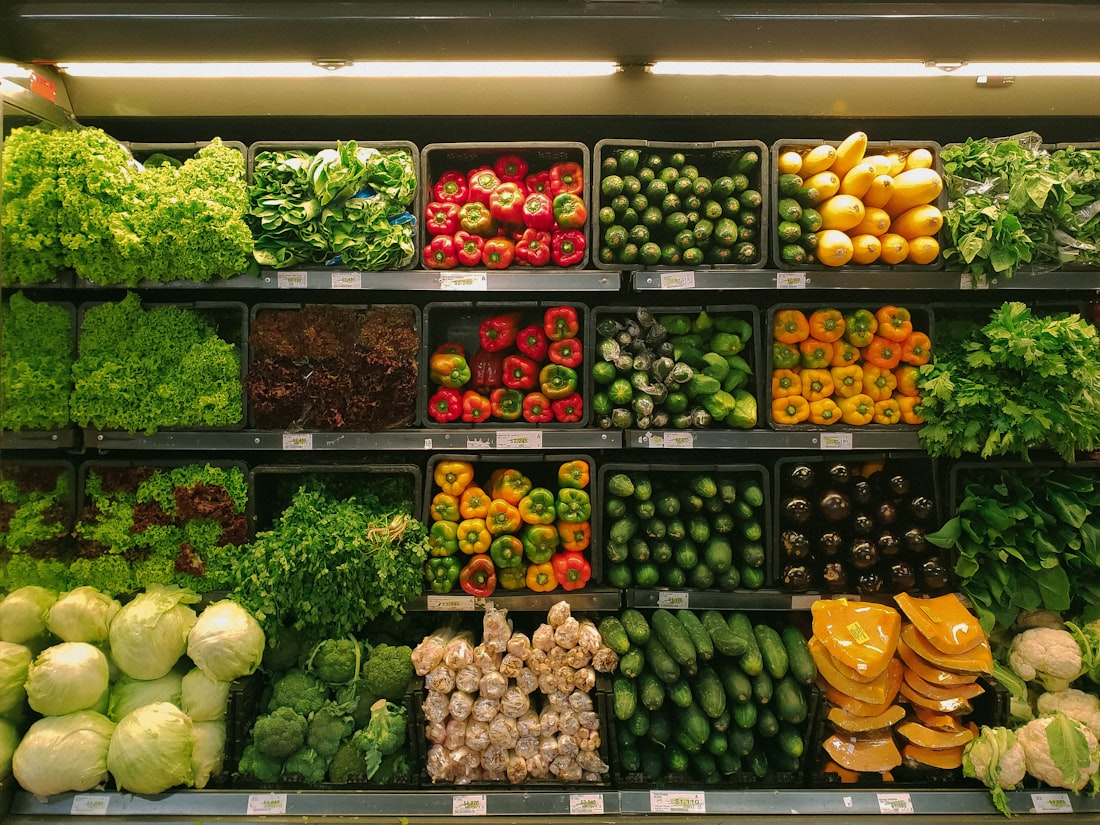
Look for the price per ounce, pound, or count on the shelf label. It helps you compare different package sizes and brands. Make sure the units match.
Try store brands for staples you buy often. Compare fresh, frozen, and canned options too. The biggest package is not always the cheapest, and it is poor value if part of it goes to waste.
Give leftovers a job
Plan when you will eat leftovers. Label and date food you freeze so it does not disappear into the back of the freezer.
Keep food safety first. Refrigerate perishable food promptly and check USDA storage guidance when you are unsure. Saving a few dollars is never worth eating unsafe food.
Go deeper: USDA MyPlate: Healthy Eating on a Budget ↗